When winter weather hits Denver, customers and employees do not judge a business by how clear the parking lot looks from the street—they judge it by whether they can safely reach the front door. Sidewalks, entryways, ramps, and walk-up areas are the most heavily traveled parts of any commercial property and the most likely places for slips, falls, and access issues to occur. Thunderbird Design works with Denver businesses that recognize commercial sidewalk snow removal and entryway snow clearing as essential components of staying open, compliant, and customer-friendly throughout the winter season.
Denver’s winter climate is uniquely challenging. With frequent overnight snowfall, intense daytime sun, and rapid temperature drops after sunset, pedestrian areas can go from clear to icy in just a few hours. According to the National Weather Service, freeze-thaw cycles along the Front Range significantly increase the formation of black ice, especially on concrete sidewalks and shaded entrances. For businesses, this means that clearing once per storm is rarely enough. Reliable business snow services must focus on consistency, timing, and detail to keep people moving safely.
This article explains why sidewalk and entryway snow clearing matters so much for commercial properties, how professional services manage these high-risk areas, and what business owners and property managers should expect from a customer-focused winter maintenance plan.
Why Sidewalks and Entryways Matter More Than Any Other Area
First Impressions Start at the Sidewalk
Before a customer steps inside, they interact with sidewalks, curb cuts, ramps, and entrances. If these areas are snow-packed or icy, many people simply turn around. From firsthand experience working with retail and office properties, even well-plowed parking lots cannot offset unsafe or poorly maintained entryways.
A study referenced by the U.S. Bureau of Labor Statistics shows that winter weather contributes to a significant rise in pedestrian injuries, many of which occur on walkways rather than roadways. Businesses that prioritize entryway snow clearing send a clear message: safety and accessibility matter here.
High Foot Traffic Means Higher Risk
Sidewalks and entrances experience constant foot traffic throughout the day. Snow tracked in by boots melts and refreezes, creating slick surfaces even when no new snow is falling. The Occupational Safety and Health Administration (OSHA) reports that slips, trips, and falls account for over 20% of workplace injuries, with icy walkways being a primary cause during winter months.
Consistent sidewalk snow removal reduces these risks by addressing conditions continuously, not just after storms. In high-volume events, expectations often align with what businesses experience during heavy snowfall in Denver, where timing and repetition matter most.
The Unique Challenges of Commercial Sidewalk Snow Removal
Concrete Surfaces Freeze Faster Than Asphalt
Most sidewalks and entryways are concrete, which freezes faster and holds cold longer than asphalt. This makes them more prone to ice formation, especially overnight. The Federal Highway Administration notes that untreated concrete pedestrian surfaces can refreeze rapidly after daytime melting, even when air temperatures appear mild.
Professional commercial sidewalk snow removal accounts for this by adjusting service timing and deicing methods specifically for pedestrian areas.
Tight Spaces and Obstructions
Unlike parking lots, sidewalks and entryways include:
- Handrails
- Steps and stairs
- Door thresholds
- Planters and signage
These features limit the use of large equipment and require careful, manual clearing. From experience, missed corners or partially cleared steps are some of the most common sources of winter complaints and incidents.
ADA and Accessibility Requirements
Commercial properties must maintain accessible routes for individuals with disabilities. Snow-covered ramps, curb cuts, or accessible entrances can quickly become compliance issues. The Americans with Disabilities Act (ADA) requires reasonable access, even during winter conditions. Consistent entryway snow clearing supports both safety and legal compliance.
How Professional Entryway Snow Clearing Works
Pre-Treatment Before Snow and Ice Form
Effective sidewalk and entryway care begins before precipitation starts. Anti-icing products are applied to prevent snow and ice from bonding to surfaces. According to the Federal Highway Administration, pre-treatment can reduce ice bonding by up to 75%, making later clearing faster and more effective.
Pre-treatment is especially valuable for:
- North-facing sidewalks
- Shaded entrances
- Concrete steps and ramps
From firsthand experience, properties that pre-treat pedestrian areas require fewer emergency callouts during freeze events. Integrated ice management strategies further reduce bonding and refreeze risk.
Continuous Clearing During Snowfall
During active snowfall, professional crews clear sidewalks and entrances multiple times rather than waiting until the storm ends. This prevents snow from compacting under foot traffic, which is one of the leading causes of ice formation.
Commercial business snow services often coordinate sidewalk crews alongside parking lot plowing so pedestrian routes remain accessible throughout the storm. For example, keeping lots and entrances open 24/7 requires synchronized plow and sidewalk operations.
Post-Storm Detailing and Ice Control
After snowfall ends, attention shifts to detail work:
- Removing residual snow from edges and corners
- Applying deicers to prevent refreeze
- Inspecting for black ice during temperature drops
The Insurance Information Institute identifies post-storm refreeze as a major contributor to slip-and-fall claims, reinforcing the importance of follow-up service beyond basic clearing.
Why Consistent Sidewalk and Entryway Clearing Keeps Businesses Open
Customer Confidence and Foot Traffic
Customers are far more likely to visit businesses where walkways feel safe. From experience, retail properties with consistently cleared sidewalks maintain stronger winter foot traffic than those with inconsistent service.
A well-maintained entrance also communicates professionalism and care, reinforcing trust before any interaction occurs inside the building.
Employee Safety and Attendance
Employees encounter sidewalks and entryways multiple times per day. Unsafe conditions increase injury risk and absenteeism. The U.S. Bureau of Labor Statistics reports that weather-related access issues contribute to higher winter absenteeism, particularly during prolonged snow periods.
Reliable sidewalk snow removal helps employees arrive safely and confidently, supporting productivity and morale.
Reduced Liability Exposure
Slip-and-fall incidents are one of the most common premises liability claims for commercial properties. According to the American Bar Association, settlements can range from $15,000 to over $100,000, depending on severity. Maintaining clear, well-documented pedestrian routes demonstrates reasonable care and reduces exposure. Businesses evaluating providers can review client feedback and reviews to understand how consistent service impacts safety outcomes.
Equipment and Crews Used for Sidewalk and Entryway Snow Clearing
Dedicated Sidewalk Crews
Professional snow services deploy trained sidewalk crews equipped with:
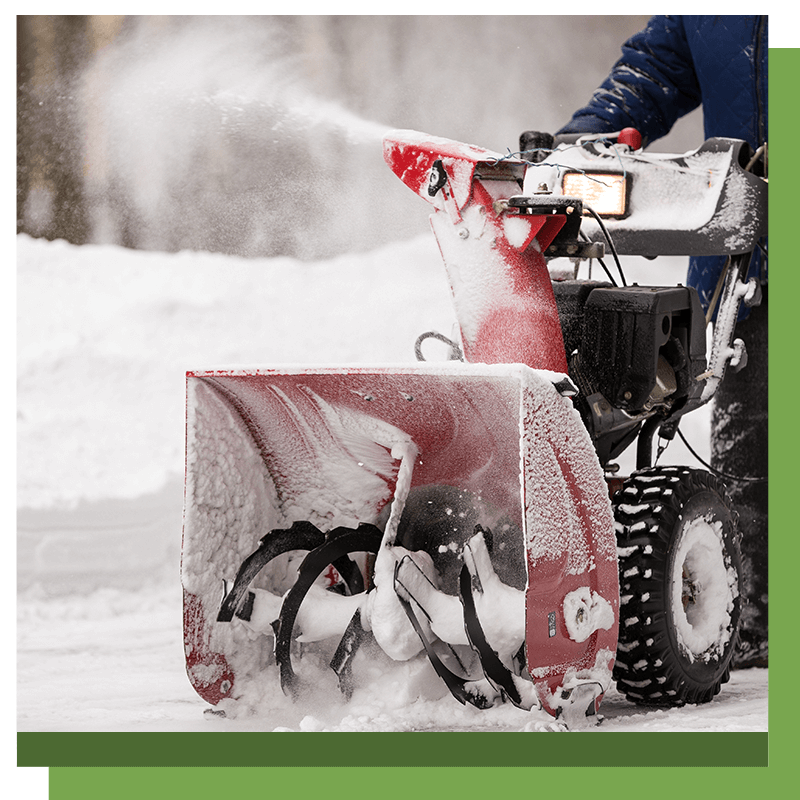
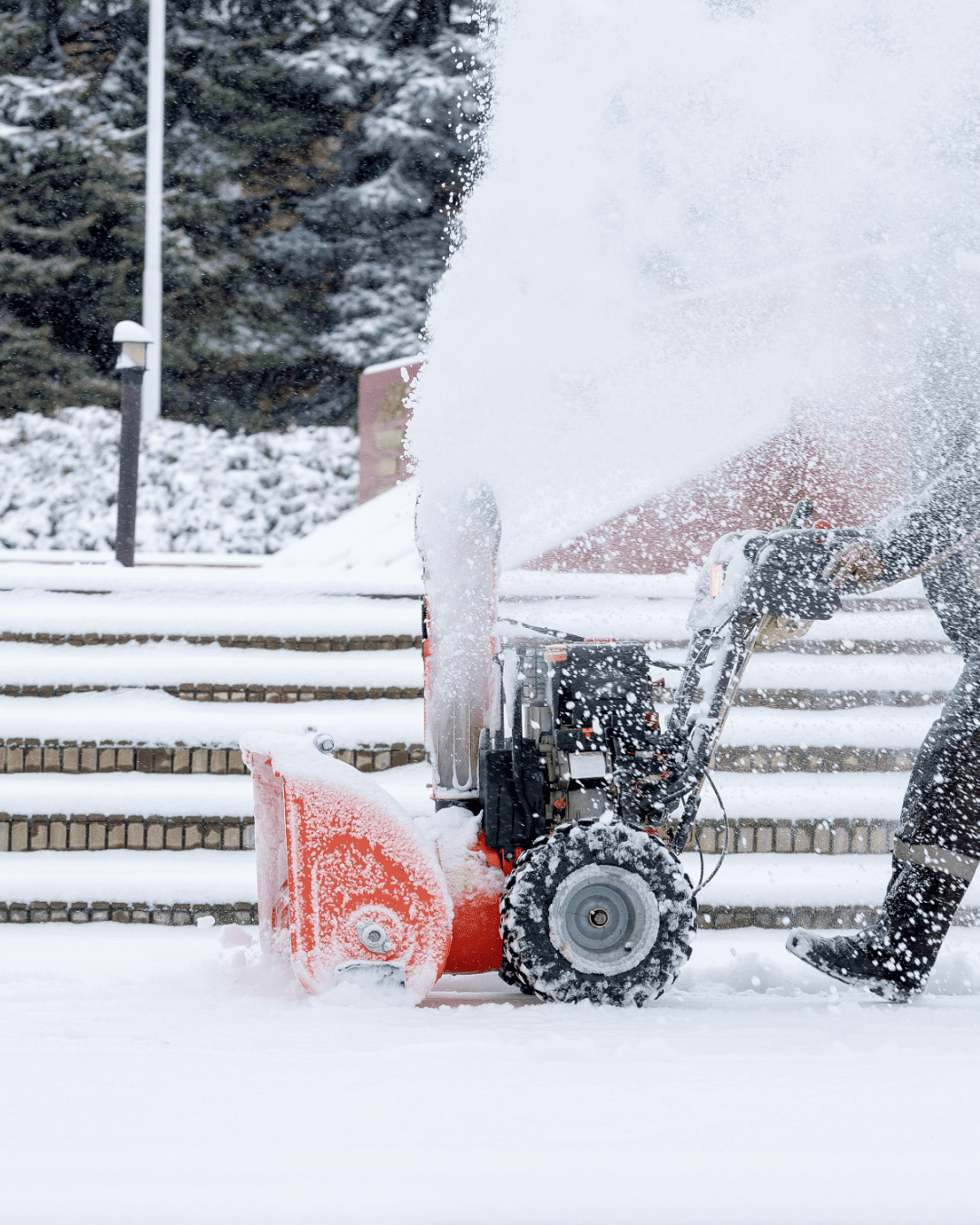
- Snow blowers
- Shovels and hand tools
- Walk-behind spreaders
These crews specialize in detail-oriented work that machines cannot safely perform.
Small-Scale Equipment for Precision
Compact snow blowers and power brooms are often used to clear longer sidewalks efficiently without damaging concrete or landscaping. From experience, the right equipment significantly reduces clearing time while improving surface quality.
Integrated Ice Management
Sidewalk and entryway clearing is always paired with ice control. This includes:
- Granular deicers for traction
- Liquid deicers for fast action
- Targeted application to avoid overuse
The Centers for Disease Control and Prevention (CDC) identifies ice as a leading factor in winter fall injuries, highlighting the importance of proper deicing.
What to Look for in Business Snow Services Focused on Pedestrian Areas
Prioritization of Entrances and Walkways
Sidewalks and entryways should never be an afterthought. Reliable providers prioritize these areas early and maintain them throughout the day.
Clear Communication and Response Times
Property managers should know when sidewalks will be cleared and how refreeze events are handled. Clear communication builds confidence and trust.
Documentation and Reporting
Professional services document sidewalk and entryway maintenance, including timing and materials used. This documentation supports liability protection and operational transparency.
Local Denver Experience
Denver’s climate requires precise timing and material selection. Providers familiar with local conditions understand how quickly sidewalks can refreeze after sunset.
Frequently Asked Questions About Commercial Sidewalk & Entryway Snow Clearing
How often should sidewalks be cleared during a storm?
High-traffic sidewalks should be cleared multiple times during snowfall to prevent compaction and ice formation.
Is deicing included with sidewalk snow removal?
Yes. Effective sidewalk service always includes ice control before and after clearing.
What areas are typically included in entryway clearing?
Entrances, steps, ramps, vestibules, and immediate walk-up areas are all part of proper entryway snow clearing.
Why do sidewalks refreeze so quickly?
Concrete cools faster than asphalt and often sits in shaded areas, making it more prone to refreeze during temperature drops.
Does sidewalk clearing help with ADA compliance?
Yes. Maintaining accessible routes supports ADA requirements and reduces compliance risks.
Keeping a business accessible in winter is not just about clearing snow—it is about protecting the paths people actually use. Commercial sidewalk snow removal and entryway snow clearing play a direct role in customer satisfaction, employee safety, and liability reduction. When pedestrian areas are maintained consistently by experienced business snow services, commercial properties remain welcoming, functional, and safe throughout Denver’s demanding winter season. If your goal is to keep doors open and people moving confidently, investing in professional sidewalk and entryway care makes that possible, no matter how unpredictable winter becomes.